Radiofrequency microneedling in Alpharetta
Radiofrequency microneedling delivers energy through the needles into the deeper layers of the skin, adding a tightening effect to the remodeling that microneedling already produces. It reaches depths a needle alone does not and it costs more and hurts more accordingly. It is the treatment we reach for when laxity is the primary complaint and the patient is not looking for surgery.
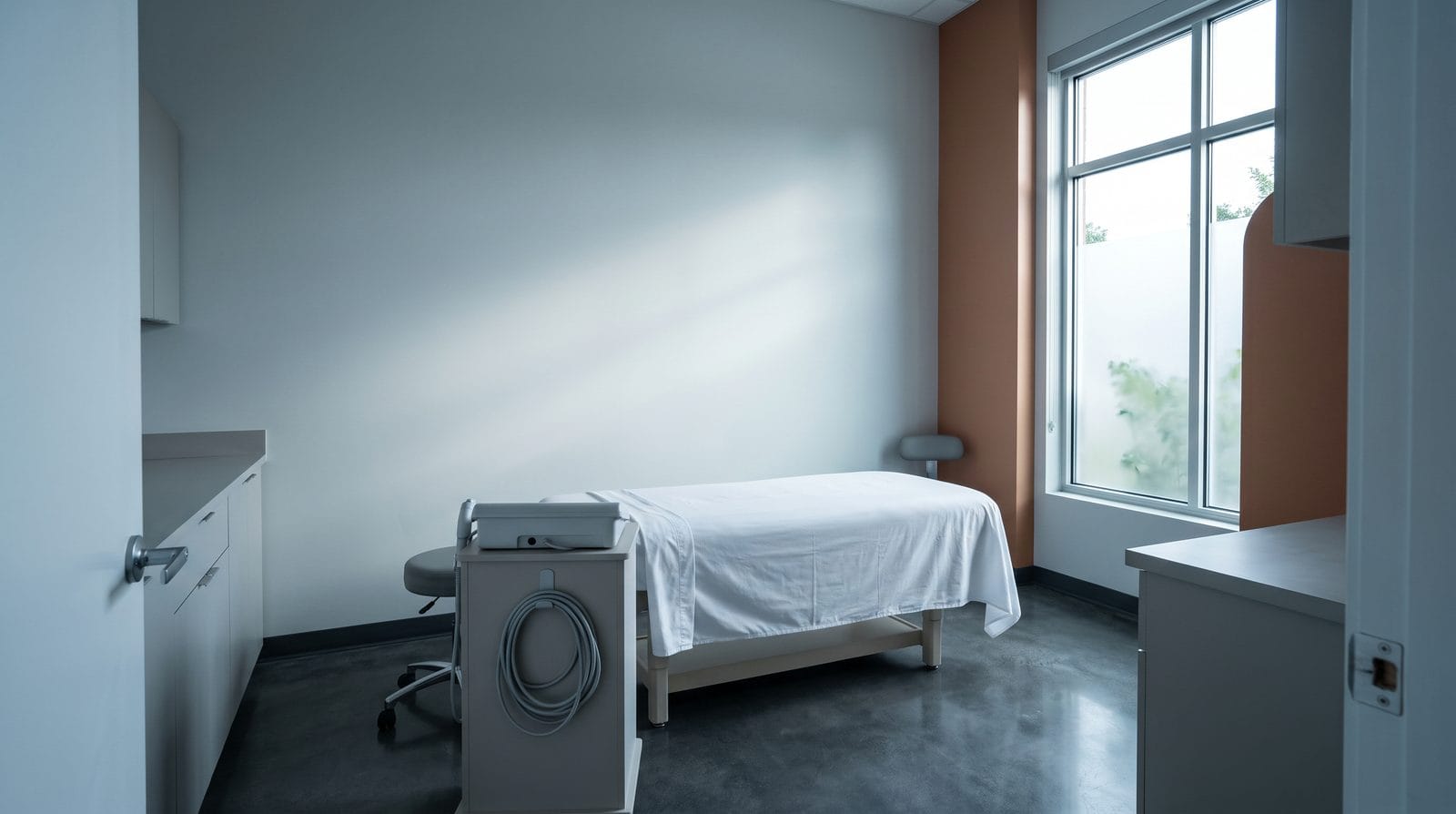
What it is
Insulated needles enter to a set depth and then emit radiofrequency energy from their tips. The result is a column of controlled thermal injury deep in the dermis, with the surface largely spared because the shafts are insulated. That combination — depth without surface damage — is the point of the technology and the reason recovery is shorter than the depth would suggest.
Heat does two things collagen responds to. Immediate contraction of existing collagen fibers produces a modest tightening within weeks, and the healing response to the thermal columns produces new collagen over three to six months. The second is the one that matters, and it is why the treatment is assessed at three months rather than at the end of the course.
What it feels like
The most uncomfortable device treatment on our menu, and we would rather say so. Numbing cream for a full thirty to forty-five minutes, and it still registers as heat and pressure with a distinct snap at depth, particularly along the jaw and the forehead. The treatment itself takes about thirty minutes. People describe the following two hours as sunburned and swollen.
Downtime
Three to seven days. Marked redness and noticeable swelling for forty-eight hours, a visible grid pattern of tiny marks for two to four days, then dryness and flaking. Makeup at forty-eight to seventy-two hours. This is a treatment to book with a weekend in front of it.
How long it lasts
One to two years from a completed course of three, because the change is your own collagen. Maintenance is usually a single session annually rather than another full course.
Who it’s for — and who it isn’t
A good fit
- Mild to moderate laxity along the jawline and the lower face where the underlying structure is largely where it should be.
- Deeper boxcar and rolling acne scarring that microneedling alone has not fully addressed.
- Someone who understands the timeline and is not treating toward a date within three months.
Not a fit
- Significant jowling or neck descent. No device does what a surgical lift does, we will say that plainly, and we will decline the course rather than take payment against an outcome that will not arrive.
- Anyone with an implanted electrical device, because radiofrequency energy and implanted electronics are a combination we do not go near.
- Anyone treated with an energy device elsewhere in the last three months — remodeling from the first course is still running.
Who performs it here
Sydney Pham
PA-C
Physician Assistant, Injector
Practices under a job description approved by, and under the medical direction of, Anita Rao, MD.
Nia Ellison
LE, CLT
Lead Medical Aesthetician
Cosmetic laser services are delegated by, and performed under the supervision of, Anita Rao, MD, in accordance with Georgia Composite Medical Board requirements.
What it costs
The most expensive treatment on our device menu, quoted as a course of three because that is what produces the result. We show the course total at the consultation, and we tell you before you book whether we think your laxity is in the range this treats — because for a meaningful number of people the honest answer is that it is not.
Questions about radiofrequency microneedling
How much does it hurt?
More than anything else we offer. Numbing helps substantially and does not remove it — expect heat, pressure and a snap at depth, worst along the jaw and the forehead. It is about thirty minutes and most people tolerate it fine knowing what it is.
What does the healing actually look like, day by day?
Day one: red, hot, swollen, with a visible grid of pinpoint marks. Day two: still red, swelling at its worst on waking. Day three: pink, grid fading, skin starting to feel rough. Days four and five: dry and flaking, makeup sits fine. Day seven: normal to anyone but you.
How many sessions before I see a change?
Some tightening is visible after the first, and it is not the result. The change worth having appears three to six months after a course of three, spaced four to six weeks. We book the review at three months for exactly that reason.
Is this a substitute for a facelift?
No. It tightens skin; a facelift repositions tissue. If what you have is descent rather than laxity, this treatment will not deliver what you want and we will tell you that at the consultation rather than after a course of three.